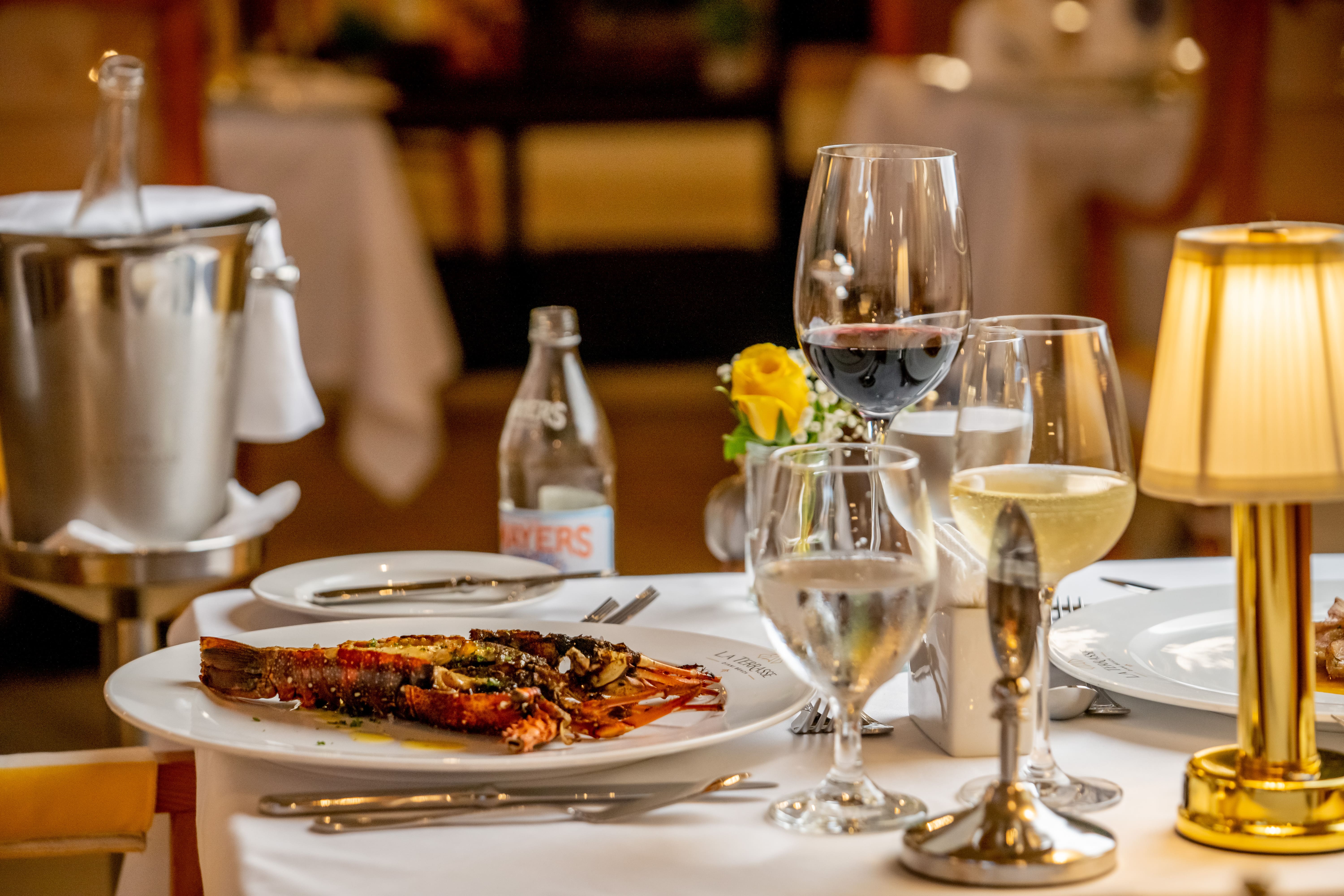
From coconut curries and grilled fish to mahamri at breakfast, this practical Diani Beach food guide helps you plan a delicious, well-paced coastal weekend.
The story
A Food Lover’s Weekend Guide to Diani Beach
Diani Beach is often planned around sand, sea and a well-timed swim. It should also be planned around meals. On Kenya’s south coast, the Indian Ocean shapes the table: fish and shellfish appear in simple grills and coconut-rich sauces; rice dishes carry the perfume of spices; cassava, chapati and fried dough make satisfying companions to a day outside. The region’s Swahili food traditions sit alongside Kenyan cooking and an international hospitality scene, giving a short stay more range than a standard beach break might suggest.
The most rewarding approach is not to chase an exhaustive restaurant list. Build a weekend around a few well-chosen meals, ask informed questions about what is available, and leave space for an unhurried drink by the water. Diani is at its best when the food feels connected to the place, whether that means a warm mahamri at breakfast, grilled fish at lunch or a careful coconut curry after sunset.
Before you book: understand Diani’s dining map
Diani’s restaurants, cafés, hotels and bars are spread along a broad coastal area rather than gathered into one compact, walkable centre. The main Diani Beach and Ukunda corridor generally offers the greatest concentration of services, shops and dining choices. Further south, the pace can feel quieter and venues may be more dispersed. That can make a dinner reservation feel like an occasion—but it also makes transport planning essential.
Choose accommodation with your likely eating habits in mind. Travellers who want to walk to breakfast, browse several casual options or pick up snacks may prefer to be near the busier corridor. Those prioritising privacy and slower beach days may be happy on a quieter stretch, provided they are comfortable arranging rides for meals away from their hotel or villa.
Do not rely on old opening hours, social-media posts or a venue’s reputation alone. Coastal businesses can alter service days, kitchen hours and reservation practices according to season, private events or staffing. Before travelling, contact any restaurant you particularly want to visit and confirm that it is open, serves non-resident guests if attached to a hotel, and can accommodate your party at the time you need.
For Friday and Saturday dinners, especially during school holidays and peak travel periods, book ahead. Mention allergies and dietary requirements at the point of booking rather than assuming a menu can be adapted at short notice. If you will be eating after dark, arrange a trusted taxi, driver or other reliable transfer in advance; do not make a late meal dependent on finding transport once you are ready to leave.
Friday evening: arrive, settle in, take in the coast
The first night should be gentle. After checking in, give yourself time to shower off the journey and make your way to a coastal terrace, beach bar or hotel lounge for an aperitif or a non-alcoholic sundowner. The point is atmosphere, not an ambitious itinerary: a cold drink, a small plate and the shift from road to ocean.
Order with the coast in mind, but keep it straightforward. Fresh fish, grilled prawns, calamari, or a vegetable dish with coconut and spices are good places to start. If a menu lists a catch of the day, ask what fish is being served, how it is prepared and whether it is available as a whole fish, fillet or shared platter. A well-cooked grill with rice, greens or a salad can be more satisfying after travel than a long, elaborate meal.
Coconut-based sauces are worth exploring, though their richness varies widely from kitchen to kitchen. If you prefer heat, ask for chilli separately or clarify the spice level before ordering. Vegetarians need not default to plain sides: ask whether the kitchen can offer a proper vegetable curry, bean dish, grilled vegetables with chapati, or a coconut-forward preparation that is not built around seafood stock.
For couples, one starter and a shared fish course can keep the evening relaxed. Groups may find that several small dishes, breads and a larger seafood order create the most sociable first dinner. Either way, pace yourself. Saturday is where the serious eating begins.
Saturday morning: breakfast with a Swahili accent
A coastal breakfast can be as quick or as lingering as you choose. Hotel breakfasts are useful when you have an excursion planned, while a café or bakery stop can be a better fit for a slow morning. Look for fresh tropical fruit, eggs, Kenyan coffee and juice, then add something rooted in the coast.
Mandazi and mahamri are both fried doughs commonly encountered in Kenyan coastal food culture, but the names, shapes, sweetness and recipes can differ between cooks and communities. Mahamri is often associated with coconut and may be lightly spiced; mandazi is a broader term used for fried dough breads or pastries in many Kenyan contexts. Ask what is made that morning, and enjoy it with coffee or tea rather than treating it as a checklist item.
Chapati offers a less sweet alternative and can turn a light breakfast into a substantial one when served with eggs, beans or a savoury stew. A plate of mango, pineapple, watermelon or passionfruit can be particularly welcome after a warm night, though fruit availability changes with season and supply.
There is no single correct breakfast in Diani. Choose a hotel meal if you value convenience, a café if you want a slower social start, or a local bakery if you are comfortable with a simpler, more informal stop. The useful rule is to go early for baked goods and to bring enough flexibility to try what is freshly available.
Saturday lunch: make seafood the centrepiece
Lunch is the natural moment for seafood. It is easier to appreciate a generously sized fish or a shared platter in daylight, and a simpler preparation lets good ingredients do the work. Still, “fresh” is a question to ask rather than an assumption to make. Weather, season, fishing conditions and supply chains all affect what reaches a kitchen.
Ask what was landed or delivered that day, and whether the named fish is available. If the answer is vague, choose another dish without fuss. When a whole fish, crab or shellfish is priced by weight or described at market price, establish the price, portion size and whether sides are included before the order goes in. This is practical, not impolite.
The preparations to look for are clear and unfussy: grilled fish with lime or a spice rub; prawns cooked quickly over heat; octopus stewed, grilled or finished in a sauce; crab where it is available; and coconut fish curry with rice. Rice may come plainly steamed, but also look for pilau or biryani, two spiced rice traditions whose methods and flavour profiles vary considerably among households and restaurants.
A good seafood lunch does not need every item on the menu. Start with one main ingredient, then add rice, chapati, cassava or vegetables. Cassava may be boiled, fried or incorporated into other dishes, and makes a welcome, filling contrast to delicate seafood. If you are sharing, ask the server what combination will be manageable for the table rather than ordering by appetite alone.
For food safety, choose busy, well-kept establishments, eat cooked seafood while it is hot and use your judgement if a dish seems to have been sitting out. Visitors with allergies to shellfish, fish, nuts or coconut should be explicit: explain the allergy, ask about sauces and cooking surfaces, and avoid relying on a general request such as “no seafood.”
Saturday afternoon and sunset: drinks, small plates and atmosphere
By mid-afternoon, resist the temptation to turn every stop into another full meal. A beach bar, rooftop or ocean-facing terrace can be ideal for a drink and a few small plates, particularly if lunch ran late. Confirm the setting and access directly when booking or arriving; views, beach access and programming can change, and not every hotel venue is open to walk-in guests.
A cold beer, wine or cocktail may suit the moment, but the coast offers excellent non-alcoholic alternatives. Try fresh passionfruit, mango, tamarind or coconut drinks, and ask whether they are made to order and how sweet they are. Fresh juice can be intensely flavoured; a squeeze of lime or a little sparkling water may be all it needs.
Keep alcohol and transport separate. The road network, distance between venues and darkness after sunset mean it is sensible to decide how you will get back before the first round arrives. If you are driving, nominate a non-drinking driver; otherwise, use a pre-arranged ride.
Saturday dinner: one considered, memorable meal
Saturday night is the moment to make a reservation for the meal you most care about. “Special” in Diani need not mean formal or ornate. Look instead for attentive service, a comfortable setting, a menu that handles coastal flavours with confidence and a kitchen willing to explain its dishes clearly.
Seafood lovers might choose a fish dish with a composed sauce, carefully cooked prawns or an octopus preparation, depending on availability. Meat eaters can look for grilled chicken, beef or other regional and international preparations that suit the restaurant’s style. Vegetarians should seek more than a side-dish solution: a vegetable curry, pulse-based dish, grilled produce with a substantial accompaniment, or a menu designed to offer a complete meat-free main is a better sign.
Ask whether dishes can be shared, particularly if you have already eaten well at lunch. A starter, main course and dessert may be enough; one excellent course is preferable to ordering beyond your appetite. For wine, cocktails or a celebratory bottle, check the list and price before committing. Coastal dining can range from casual to polished, so let the venue’s stated dress code guide you rather than assuming beachwear will fit every dining room.
Sunday: a slower final taste of Diani
Sunday is for a late breakfast or brunch, a final swim and a casual lunch before departure. If you are leaving by road or catching a flight, build in more time than you think you need: packing, checkout, traffic and transfers can narrow the window for a relaxed meal.
Brunch can revisit the flavours you liked most—eggs with chapati, fruit, coffee and a sweet fried bread—or take a more international route if that suits your weekend. For a final lunch, choose something portable only if you can collect it close to departure and keep it safely chilled or hot as appropriate. Grilled items, sandwiches, wraps, fruit and baked goods are usually easier to manage than a large seafood meal in transit.
Edible souvenirs require caution. Availability varies, and fresh foods may not travel well or may be subject to transport and border restrictions. If you are flying internationally, confirm your airline’s and destination’s rules before buying food to take home. For many visitors, a bag of locally roasted Kenyan coffee purchased from a clearly labelled retailer is simpler than trying to transport fresh coastal specialities—but confirm current availability and packaging for yourself.
## What to eat in Diani - Swahili-style coconut curries: Sauces built with coconut milk and spices, served with fish, seafood, vegetables or pulses; recipes vary by cook and establishment. - Freshly caught or delivered fish: Ask what is available that day and choose a simple grill or curry when quality is the priority. - Grilled seafood: Prawns, calamari, octopus and crab may appear according to supply, season and menu. - Pilau and biryani: Fragrant rice dishes seasoned with spices. Their ingredients, technique and regional associations differ, so expect variation rather than one fixed recipe. - Cassava and chapati: Two dependable accompaniments—cassava may be boiled or fried, while chapati is a soft, pan-cooked flatbread. - Mandazi and mahamri: Fried dough breads or pastries, with terminology and recipes varying across Kenyan communities and kitchens. - Tropical fruit and Kenyan coffee: A refreshing counterpoint to rich meals and an easy way to begin the day.
Practical food-lover’s checklist
Reserve key dinners: Book Friday and Saturday evening meals in advance during busy periods, and reconfirm on the day.
Ask about payment: Confirm whether cards, mobile payments and cash are accepted. Carry some Kenyan shillings for smaller purchases and contingencies.
State dietary needs clearly: Notify restaurants early, then repeat allergies to your server. Ask about stocks, marinades, sauces and shared fryers.
Eat and drink carefully: Choose clean, busy venues; favour food served hot; and use sealed, treated or reliably filtered drinking water if you are uncertain about the source.
Prepare for outdoor tables: Mosquito repellent can make a long dinner more comfortable. A light layer is useful after dark.
Dress for the venue: Smart-casual clothing works in many settings, but confirm expectations for hotel restaurants or more formal dinners.
Tip thoughtfully: Service practices differ. Check whether a service charge has already been added, then tip in line with your experience and what feels appropriate.
Plan the journey home: Arrange late-night transport before dinner, particularly when staying on a quieter stretch of the coast.
Diani rewards a little curiosity and a little restraint. Choose a few meals that suit the rhythm of your stay, ask what is good today rather than demanding what you expected yesterday, and make room for the sea between courses. The result is not simply a weekend of eating well, but a clearer taste of Kenya’s south coast.
 16 September 2026
 15 September 2026