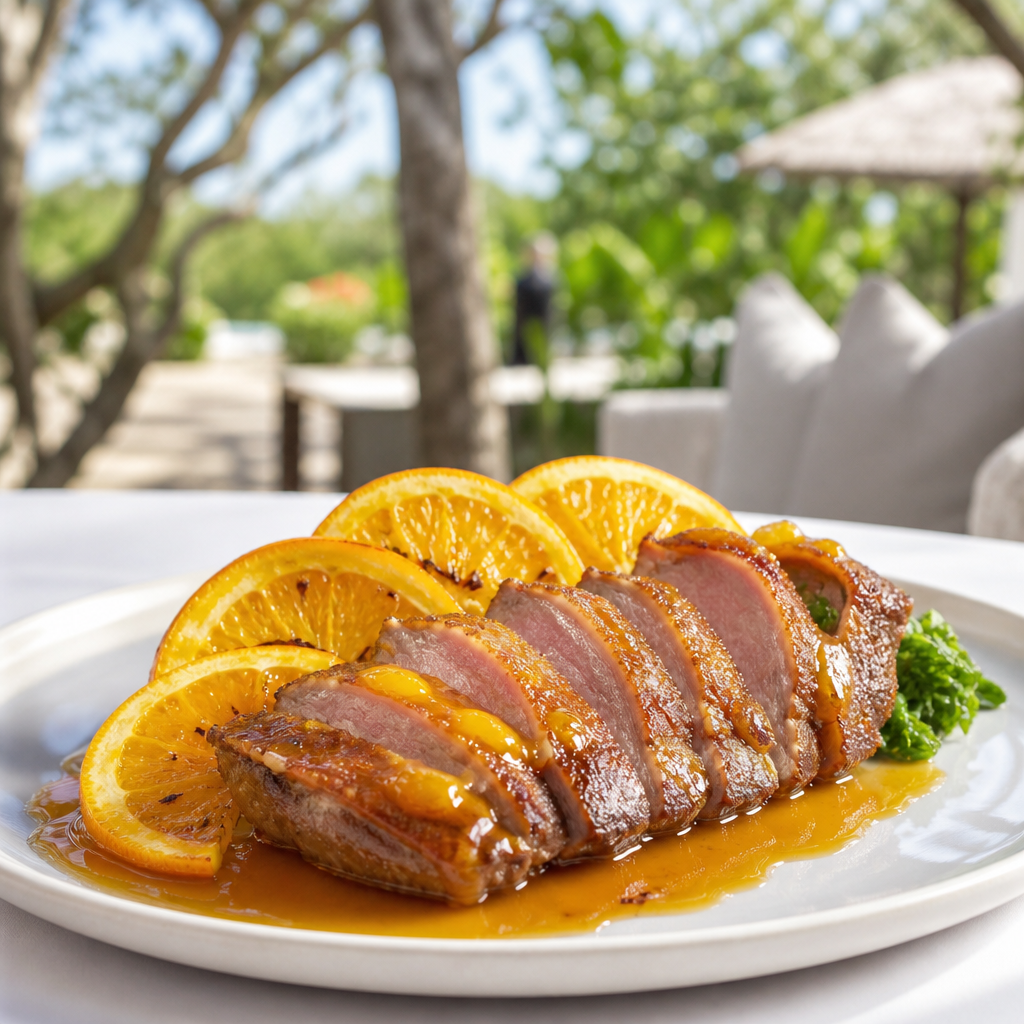
Duck à l’orange is a lasting French classic: succulent duck, crisp skin and a bright, lightly bitter orange sauce held in careful balance. Discover its history, craft and enduring appeal at the table.
The story
Duck à l’Orange: A French Classic Under the Kenyan Sky
Few dishes express French cooking’s gift for balance as elegantly as duck à l’orange—or canard à l’orange. Its appeal is not simply the meeting of rich meat and sweet fruit. At its best, the dish is a composed conversation between crisp-skinned duck, fragrant citrus, a measured bitterness and the savoury depth of a carefully reduced sauce.
It is a classic that rewards attention, both in the kitchen and at the table. Under Kenya’s clear light, with the pace of a lingering lunch or a considered dinner, duck à l’orange offers a reminder that traditional cuisine need not feel fixed in the past. A familiar French idea can still feel vivid: warm, aromatic and made for unhurried conversation.
What is duck à l’orange?
In its broadest and most recognisable form, duck à l’orange is duck served with an orange-based sauce. The bird may be roasted or cooked in a pan, depending on the cut, the kitchen and the desired finish. There is no single formula that defines every credible version; what matters is the equilibrium of its principal elements.
Duck brings succulence, savour and a distinctive richness, particularly when the skin has been rendered properly. Orange contributes brightness and perfume, but also a useful edge of bitterness, especially from zest or peel. The sauce often gains further complexity through reduction: stock, jus, cooking juices or other savoury foundations can give it body and prevent it from becoming merely sweet.
That is the essential point. Duck à l’orange should not taste like duck coated in orange jam. Citrus should sharpen the palate and draw out the meat’s character, while the sauce carries enough depth to make the combination feel coherent rather than decorative.
A classic with a longer story
Duck with orange sauce occupies a secure place in the French culinary canon, particularly under the name canard à l’orange. Yet its story is more layered than the neat origin tales sometimes suggest.
The pairing belongs to a wider European tradition of serving game and richly flavoured meats with sweet-sour sauces. Before modern tastes separated savoury and sweet quite so firmly, cooks frequently used fruit, vinegar, spices and sugar to balance the intensity of game. Citrus, with its perfume, acidity and bitterness, was especially suited to that task.
A popular piece of culinary lore links French orange duck to Catherine de’ Medici and Italian cooking. It is an appealing story, but it should be treated as debated rather than definitive. Food history rarely travels in a straight line: dishes evolve through trade, court cooking, regional habits, changing ingredients and the tastes of successive generations. What can be said with confidence is that the French version became an enduring emblem of classical restaurant cooking, admired for its polished contrast of richness and acidity.
The craft behind the plate
The success of duck à l’orange begins well before the sauce is finished. Duck fat needs time to render so that the skin can become crisp and deeply flavoured without the meat drying out. Whether breast, leg or a whole bird is used, careful heat control is central. The meat should also rest before serving, allowing its juices to settle and keeping each slice tender rather than rushed.
The orange component calls for equal restraint. Fresh juice can provide lively acidity, while finely grated zest or strips of peel offer a more aromatic, faintly bitter note. Used thoughtfully, bitterness is not a flaw to be disguised; it is what keeps the dish alert. It counters sweetness, cuts through fat and makes the orange taste more like citrus than confectionery.
A good sauce is therefore reduced, glossy and balanced, not thick or cloying. Some preparations may use a duck stock or jus for savoury depth; others may lean more clearly into the classic sweet-sour profile. In either case, the sauce should sit alongside the duck’s flavour, not conceal it. The finest versions allow the savoury character of the bird to remain unmistakable from the first bite to the last.
What does it taste like?
Expect a plate that is savoury and succulent first, then brightened by orange. The duck should offer a pleasing contrast between crisp, gently caramelised skin and tender flesh. Citrus rises in the aroma before it reaches the palate, where it can feel fresh, floral and lightly bitter rather than overtly sugary.
The experience is generous, but it need not be heavy. A well-made sauce refreshes each mouthful and makes the richness of duck feel purposeful. This is why the dish has lasted: it understands that celebration is often a matter of proportion.
Accompaniments vary with the season and the kitchen. Seasonal vegetables can bring colour and freshness, while a simply prepared potato accompaniment can provide a comforting counterpoint to the sauce. A restrained garnish is often all that is needed; duck à l’orange already carries its own drama.
For wine, consider the balance on the plate rather than searching for a rigid rule. A supple, fruit-led red with good freshness can work beautifully, especially where the duck is more deeply roasted. Alternatively, an age-worthy white with texture and sufficient acidity can echo the citrus while standing up to the dish’s richness. The best choice will depend on the precise preparation and the wine list available.
A French classic under the Kenyan sky
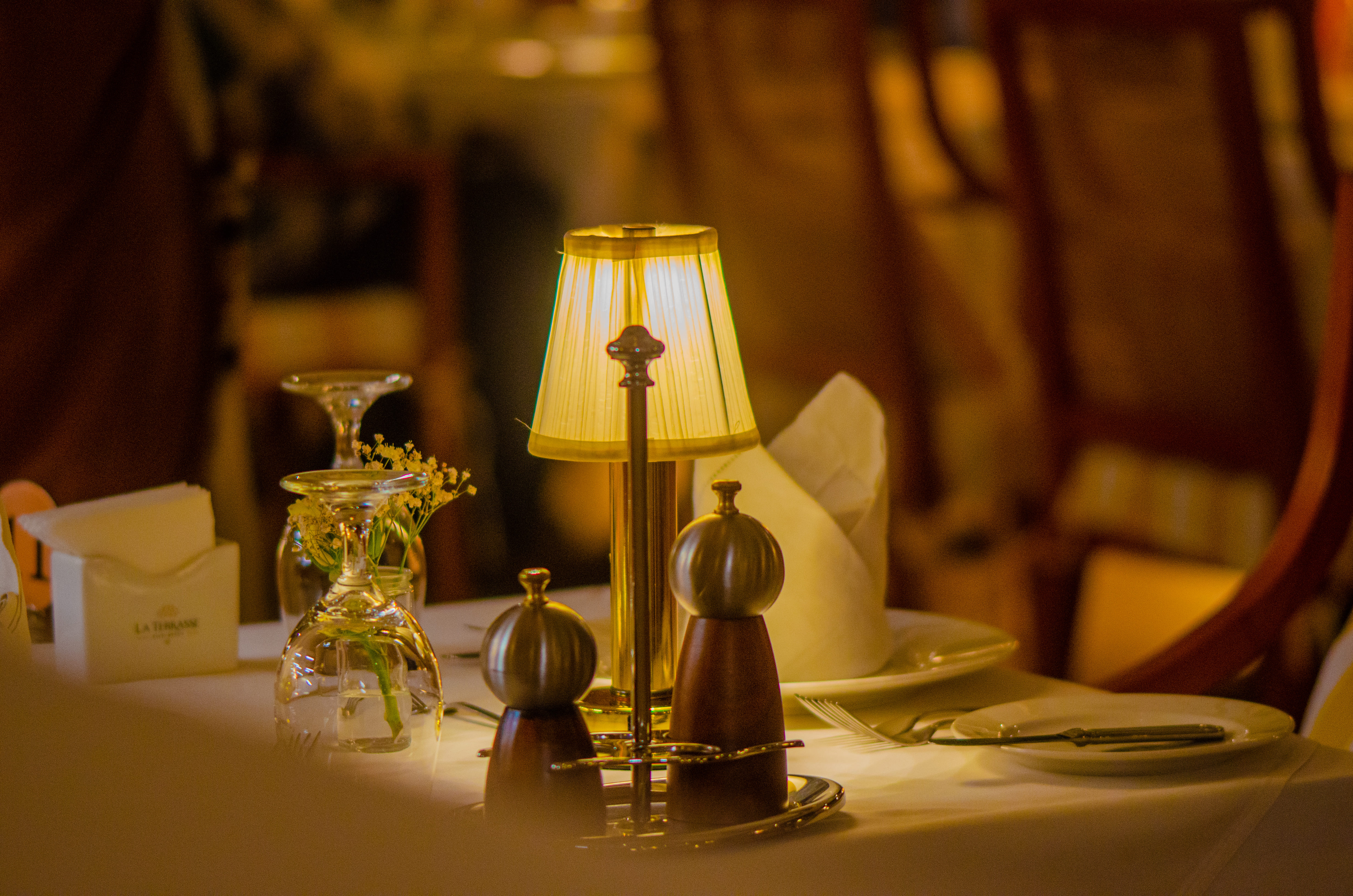
At La Terrasse, the idea of duck à l’orange speaks to a style of dining that values detail without ceremony for its own sake. French classics endure not because they are formal or distant, but because their logic is sound: take good ingredients, understand contrast, and give people time to enjoy the result.
In a setting shaped by Kenyan light, gracious hospitality and the pleasure of gathering around a table, this classic feels especially apt. It invites a slower rhythm—a pause between courses, a second glass poured thoughtfully, conversation allowed to continue. The dish’s French identity remains clear, yet its appeal is universal: richness made brighter, tradition made approachable and technique placed in service of pleasure.
The specific expression of any classic will naturally vary from one kitchen to another, and menus change with season and availability. That flexibility is part of what keeps French cooking alive. Respect for a dish does not require turning it into a museum piece; it asks for an understanding of why its flavours work in the first place.
A lasting balance
Duck à l’orange has endured because it makes balance feel celebratory. It brings together crispness and tenderness, savour and citrus, depth and lift—each element making the other more compelling. It is a dish with history, certainly, but also with an undiminished capacity to please a modern table.
To discover La Terrasse’s current dining offering, please explore the latest menu or reserve a table and allow the occasion to unfold at its own elegant pace.
 9 September 2026
 8 September 2026